

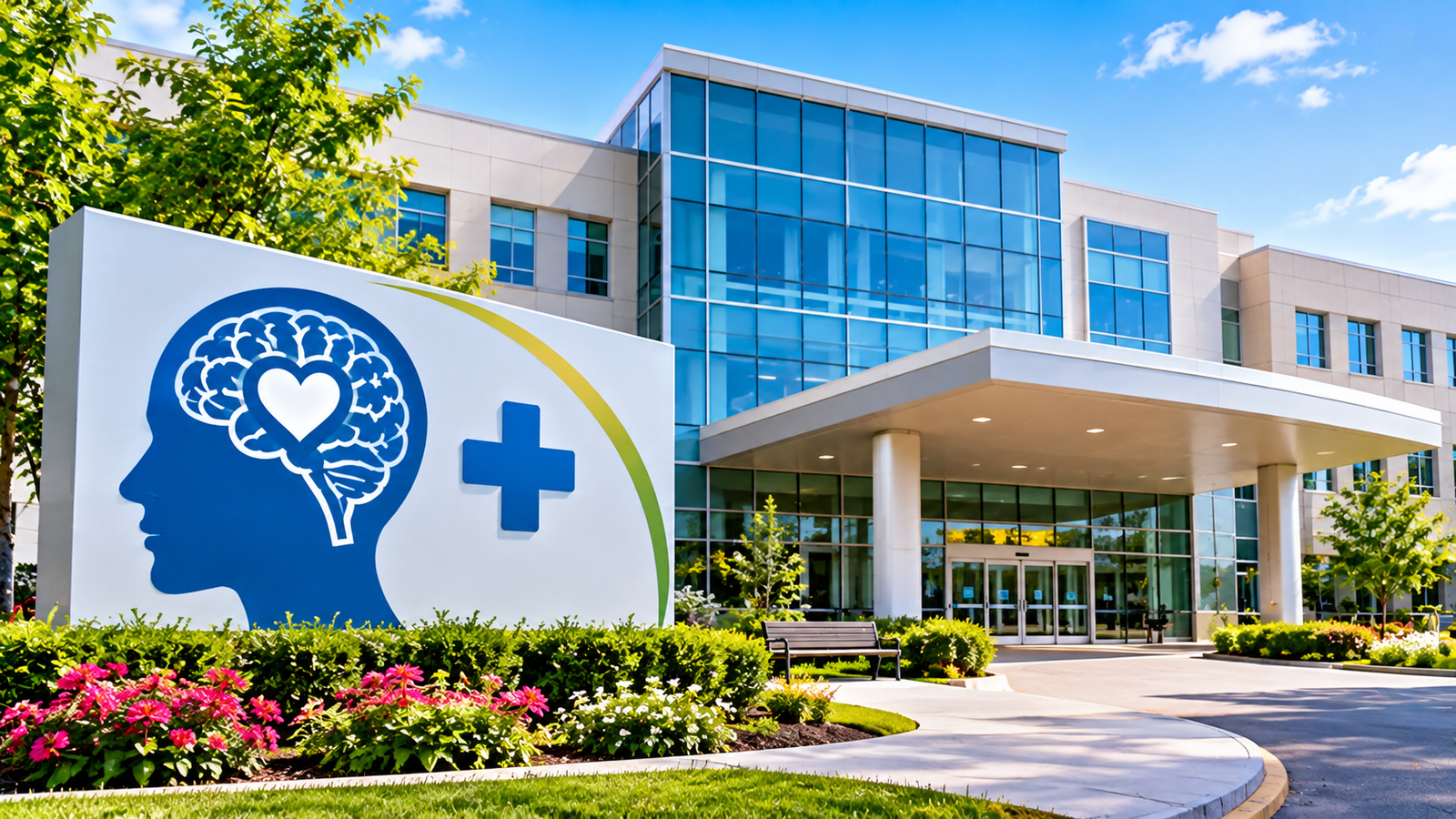
Mental health is an essential part of overall well-being, and access to appropriate psychiatric treatment can make a meaningful difference for individuals experiencing serious emotional, psychological, or behavioral challenges. For people and families in the Twin Cities region of Minnesota, Capitol Park Mental Health Hospital is a specialized facility offering inpatient mental health care for adults and older adults.
Located in St. Paul, Minnesota, Capitol Park Mental Health Hospital focuses on treating individuals experiencing acute mental health conditions and co-occurring substance use concerns. Its approach combines psychiatric care, nursing support, therapeutic services, individualized treatment planning, and discharge preparation.
Understanding the hospital’s services, admission process, treatment approach, and patient support options can help individuals and families make informed decisions when seeking mental health care.
What Is Capitol Park Mental Health Hospital?
Capitol Park Mental Health Hospital is a behavioral health facility located in St. Paul, Minnesota. It is affiliated with Fairview Health Services and operates in partnership with Acadia Healthcare.
The hospital provides specialized psychiatric treatment for adults aged 18 and older, including older adults aged 65 and above. Its services are intended for people experiencing significant mental health symptoms who may require a structured inpatient treatment environment.
The hospital’s treatment approach emphasizes understanding each patient’s circumstances, identifying clinical needs, and developing an individualized care plan.
Its multidisciplinary care team may include:
- Psychiatrists
- Psychiatric nurse practitioners
- Registered nurses
- Licensed clinical social workers
- Licensed professional counselors
- Other behavioral health professionals
These professionals work together to assess patients, monitor their progress, and support their treatment and recovery goals.
Where Is Capitol Park Mental Health Hospital Located?
Capitol Park Mental Health Hospital is located in the Capitol Heights neighborhood of St. Paul, Minnesota.
Hospital information
Address
559 Capitol Boulevard, St. Paul, MN 55103
Main phone number
(855) 396-6936
Location
St. Paul, Minnesota, United States
The facility serves individuals and families from St. Paul, Minneapolis, Bloomington, and other communities throughout the greater Twin Cities region.
Prospective patients and family members can contact the admissions team to ask about available services, eligibility, insurance coverage, and assessment procedures.
Capitol Park+1
Mental Health Conditions Treated at Capitol Park
Capitol Park Mental Health Hospital provides treatment for several psychiatric and behavioral health conditions. The appropriate treatment depends on the patient’s symptoms, medical history, safety needs, and clinical assessment.
1. Depression
Depression can affect mood, energy, motivation, concentration, sleep, and relationships. Severe symptoms may make everyday responsibilities difficult to manage.
Inpatient treatment may provide a structured environment for individuals who need intensive psychiatric assessment, stabilization, and ongoing clinical support.
2. Anxiety Disorders
Anxiety disorders can involve excessive worry, persistent fear, panic symptoms, and difficulty managing everyday situations.
When symptoms become severe or interfere significantly with daily functioning, professional evaluation can help determine the appropriate level of care.
3. Bipolar Disorder
Bipolar disorder involves episodes of depression and periods of mania or hypomania.
Treatment may include psychiatric evaluation, medication management, therapeutic support, and monitoring of mood symptoms.
4. Schizophrenia and Schizoaffective Disorder
Schizophrenia and schizoaffective disorder can involve changes in perception, thinking, emotional expression, and behavior.
People experiencing acute symptoms may need specialized psychiatric treatment and close clinical monitoring.
5. Post-Traumatic Stress Disorder
Post-traumatic stress disorder (PTSD) can develop after experiencing or witnessing a traumatic event.
Symptoms may include nightmares, intrusive memories, avoidance, emotional distress, and heightened alertness. Treatment may involve trauma-informed care and other clinically appropriate therapeutic approaches.
6. Psychosis and Suicidal Thoughts
Psychosis can involve hallucinations, delusions, and difficulty distinguishing certain experiences from reality.
People experiencing suicidal thoughts or serious self-harm concerns may need urgent psychiatric evaluation. Hospital-based care can provide a supervised environment when inpatient treatment is clinically necessary.
7. Co-Occurring Substance Use Disorders
Some people experience mental health conditions alongside alcohol or drug-related problems.
Capitol Park also treats patients with co-occurring substance use disorders, allowing mental health concerns and substance-related needs to be considered together during treatment planning.
Capitol Park+1
Treatment Programs at Capitol Park Mental Health Hospital
Different patients require different levels of psychiatric support. Capitol Park’s treatment services are designed to address acute mental health needs and help patients work toward greater stability.
Adult Inpatient Mental Health Treatment
The hospital currently offers inpatient treatment for adults aged 18 and older who are experiencing acute symptoms of a mental health disorder.
Inpatient care provides a structured environment with round-the-clock nursing and clinical support.
Treatment may involve:
- Psychiatric evaluations
- Medication management
- Individual therapeutic support
- Group-based treatment activities
- Nursing assessments
- Monitoring of symptoms and safety
- Discharge and aftercare planning
The hospital reports that many adult inpatient stays last approximately five to seven days, although the actual length depends on the patient’s clinical circumstances and progress.
Capitol Park
Specialized Senior Inpatient Care
Older adults may experience mental health concerns alongside medical conditions, medication changes, mobility limitations, or age-related challenges.
Specialized senior inpatient care considers these additional needs when developing a treatment plan.
The hospital serves seniors aged 65 and older and provides age-appropriate programming.
Partial Hospitalization Program
A partial hospitalization program (PHP) is a structured treatment option that typically allows patients to receive intensive daytime care while returning home in the evening.
Capitol Park’s published program information has described PHP services as planned or coming soon. Prospective patients should contact the hospital to confirm whether the program is currently available.
Intensive Outpatient Program
An intensive outpatient program (IOP) provides scheduled therapy and behavioral health support without requiring an overnight hospital stay.
This level of care may be appropriate for people who need more support than traditional outpatient therapy but do not require inpatient hospitalization.
Capitol Park has also described its IOP as a planned service. Its current availability should be confirmed directly with the admissions team.
Capitol Park+1
Therapeutic Approaches Used in Treatment
Mental health treatment often involves a combination of psychiatric care and evidence-based therapeutic approaches.
Capitol Park describes several treatment methods that may be incorporated into individualized care plans.
Cognitive Behavioral Therapy
Cognitive behavioral therapy (CBT) helps individuals identify connections between thoughts, emotions, and behaviors.
It can support people in recognizing unhelpful thinking patterns and developing healthier responses to difficult situations.
Dialectical Behavior Therapy
Dialectical behavior therapy (DBT) focuses on emotional regulation, distress tolerance, mindfulness, and interpersonal effectiveness.
These skills can help individuals manage intense emotions and improve their responses to stressful experiences.
Motivational Interviewing
Motivational interviewing is a collaborative approach that helps individuals explore their personal reasons for making changes.
It encourages patients to identify their goals and consider practical steps toward improvement.
Trauma-Focused Care
Trauma-focused care recognizes how difficult or traumatic experiences can affect emotional health and everyday functioning.
Treatment is adapted to the individual’s circumstances, symptoms, and readiness to participate.
The specific therapies used depend on clinical assessment and individual treatment needs.
Capitol Park
What to Expect During the Admission Process
Seeking inpatient mental health treatment can feel overwhelming for patients and their families. Understanding the admission process can make the experience easier to navigate.
Step 1: Contact the Admissions Team
The first step is contacting the hospital to discuss the patient’s mental health concerns and determine whether an assessment is appropriate.
The admissions team can explain the process and answer questions about treatment options.
Step 2: Complete an Initial Assessment
An initial assessment may be completed over the phone.
The team may ask about:
- Current mental health symptoms
- Medical and psychiatric history
- Current medications
- Previous treatment experiences
- Substance use history, when relevant
- Immediate safety concerns
- Personal treatment goals
This information helps determine whether the hospital’s inpatient services are suitable.
Step 3: Verify Insurance Coverage
The admissions team can help verify insurance benefits and determine whether authorization is required.
Patients should ask about deductibles, copayments, coverage limitations, and any other potential expenses.
Step 4: Determine Treatment Eligibility
Clinical professionals review the assessment information to determine whether inpatient care is appropriate.
Admission depends on the patient’s clinical needs and the hospital’s admission criteria.
Step 5: Begin Treatment and Discharge Planning
After admission, patients participate in an individualized treatment program.
The care team monitors progress and begins planning for the next stage of care, including follow-up appointments and appropriate community support.
Capital Park
What Should Patients Bring to the Hospital?
Preparing for admission can help reduce unnecessary stress.
The hospital recommends that patients bring certain essential items, including:
- Insurance card
- Valid identification
- A list of current medications and dosages
- Comfortable clothing that follows hospital safety requirements
- One or two permitted comfort items, such as a book or small personal photograph
Certain belongings may be restricted for patient safety. The hospital also states that outside food and drinks are not permitted.
Patients and families should request the current approved-items list before arriving because requirements can change.
Insurance and Payment Considerations
The cost of inpatient mental health treatment depends on several factors, including insurance coverage, plan benefits, medical necessity, and authorization requirements.
Capitol Park’s admissions team can help prospective patients verify insurance coverage.
The hospital’s published admissions information states that it works with most major insurance plans and includes Minnesota Prepaid Medical Assistance Plans among the coverage options it discusses.
Before admission, patients or their representatives should ask:
- Is the hospital included in my insurance network?
- Does my plan cover inpatient psychiatric treatment?
- Is prior authorization required?
- What out-of-pocket expenses should I expect?
- Are there financial assistance or payment options?
Confirming these details in advance can help families understand potential financial responsibilities.
Family Involvement and Patient Support
Family members and trusted caregivers can play an important role in supporting someone receiving mental health treatment.
When appropriate and permitted by the patient’s preferences and privacy requirements, family involvement may help improve communication and prepare for the transition after hospitalization.
Families can support recovery by:
- Listening without judgment
- Learning about the patient’s condition
- Understanding treatment recommendations
- Encouraging follow-up appointments
- Helping establish healthy daily routines
- Supporting medication adherence when prescribed
- Recognizing signs that additional help may be needed
The hospital also provides information about visiting arrangements and patient communication. Visiting rules can differ by unit and may change, so families should confirm the current schedule before traveling.
Why Choosing the Right Mental Health Hospital Matters
Selecting an inpatient psychiatric facility is an important decision. Patients and families should consider several factors before choosing a treatment setting.
Appropriate clinical services: The hospital should provide care suited to the patient’s diagnosis and current symptoms.
Qualified professionals: A multidisciplinary team can help address different aspects of psychiatric and behavioral health needs.
Individualized treatment: Treatment plans should consider each patient’s history, circumstances, and goals.
Patient safety: A structured inpatient environment can provide supervision and support for people experiencing acute psychiatric symptoms.
Discharge planning: Effective treatment should include preparation for continuing care after hospitalization.
Insurance and accessibility: Families should understand coverage, admission requirements, transportation, and other practical considerations.
As with any hospital, it is reasonable to ask questions about staffing, clinical oversight, patient rights, safety procedures, and how concerns are handled.
Conclusion
Capitol Park Mental Health Hospital is a specialized psychiatric facility in St. Paul, Minnesota, affiliated with Fairview Health Services and operating in partnership with Acadia Healthcare. It provides inpatient mental health treatment for adults and older adults experiencing acute psychiatric symptoms, including depression, bipolar disorder, schizophrenia, PTSD, psychosis, and co-occurring substance use concerns.
Its treatment approach includes psychiatric evaluation, nursing support, individualized care planning, therapeutic interventions, and discharge preparation. The hospital has also described partial hospitalization and intensive outpatient services as planned programs, so their current availability should be confirmed directly.
For individuals and families considering inpatient mental health treatment, contacting the admissions team is a practical first step toward understanding eligibility, services, and insurance coverage.
Frequently Asked Questions
1. Where is Capitol Park Mental Health Hospital located?
Capitol Park Mental Health Hospital is located at 559 Capitol Boulevard, St. Paul, Minnesota 55103. It serves patients from St. Paul, Minneapolis, and the surrounding Twin Cities region.
2. What is the phone number for Capitol Park Mental Health Hospital?
The hospital’s main published phone number is (855) 396-6936. Individuals can call to ask about admissions, treatment programs, insurance verification, and available services.
3. Does Capitol Park Mental Health Hospital provide inpatient treatment?
Yes. The hospital offers inpatient psychiatric treatment for adults aged 18 and older, including specialized inpatient programming for seniors aged 65 and older. Its adult inpatient program provides 24-hour support for people experiencing acute mental health symptoms.
4. What mental health conditions does Capitol Park treat?
The hospital treats conditions including depression, anxiety, bipolar disorder, schizophrenia, schizoaffective disorder, PTSD, psychosis, adjustment disorders, and co-occurring substance use disorders. Admission and treatment recommendations depend on individual clinical assessments.
5. Does Capitol Park Mental Health Hospital offer outpatient treatment?
The hospital has described partial hospitalization and intensive outpatient programs as planned services. Because program availability can change, prospective patients should contact the admissions team to confirm which treatment options are currently operating.