

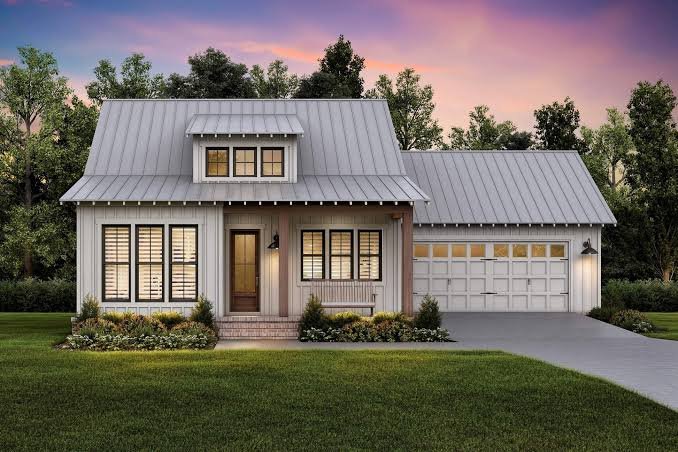
Autumn is a season that naturally encourages people to slow down, spend more time indoors, and enjoy comfortable surroundings. Cooler temperatures, changing colors, shorter days, and seasonal activities make it an ideal time to think about creating a home that feels warm, practical, and inviting.
Small modern autumn homeplans combine contemporary design with cozy features that suit the autumn season. A well-planned small home can provide comfortable living spaces without requiring a large footprint. With thoughtful room layouts, natural light, efficient storage, warm materials, and flexible spaces, even a compact house can feel spacious and welcoming.
Whether you are planning a permanent home, a weekend retreat, a guest house, or a small vacation property, the following ideas can help you explore the possibilities of modern autumn-inspired home design.
What Are Small Modern Autumn Homeplans?
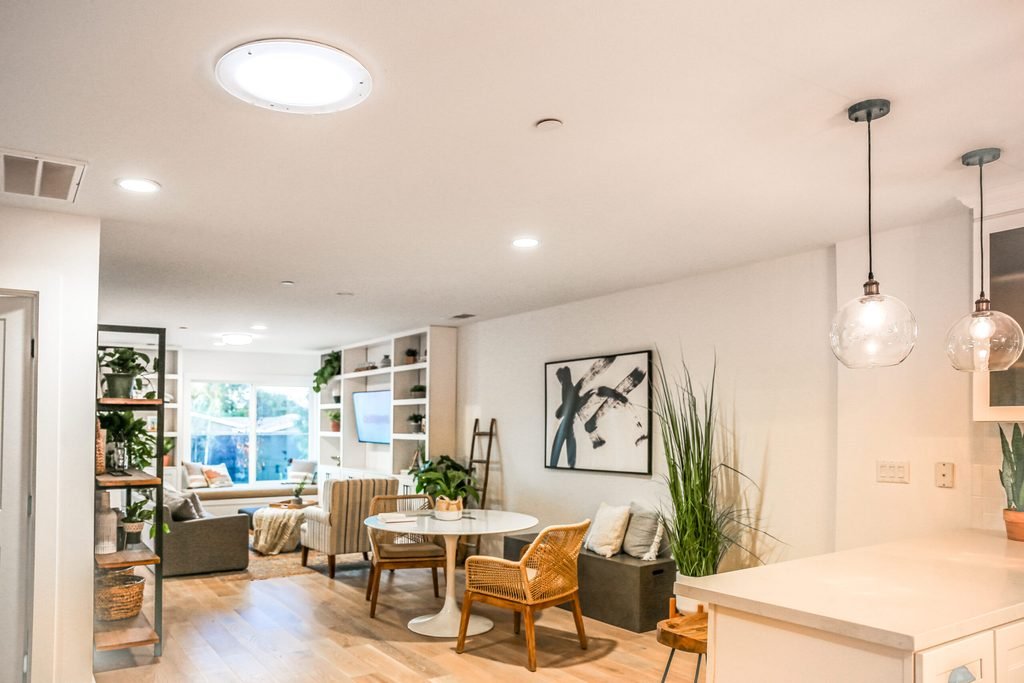
The phrase small modern autumn homeplans can describe compact house plans that combine modern architectural principles with a warm, seasonal atmosphere.
Modern design often emphasizes clean lines, simple forms, functional layouts, large windows, and efficient use of space. Autumn-inspired design can add warmer textures, natural materials, comfortable seating, fireplaces where appropriate, and spaces that connect the interior with the changing outdoor environment.
The result can be a home that looks contemporary while still feeling comfortable and relaxed.
1. Start With an Efficient Floor Plan
Small homes require careful planning because every square meter or square foot matters.
Instead of creating many small rooms, consider how spaces can serve multiple purposes.
A compact autumn-inspired home might include:
- Open living and dining area
- Efficient kitchen
- One or two bedrooms
- One or two bathrooms
- Entryway
- Storage area
- Laundry or utility space
- Covered porch or outdoor seating
An open living area can create a stronger sense of space while allowing different activities to happen in one shared environment.
Furniture can define individual zones without requiring permanent walls.
2. Create a Warm and Welcoming Entrance
The entrance is the first part of the home visitors experience.
For an autumn-inspired design, consider creating a small covered porch or sheltered entry.
A practical entrance can include space for coats, shoes, umbrellas, bags, and seasonal accessories.
Built-in storage can prevent these items from spreading into the living area.
Natural wood, stone, textured surfaces, or warm-toned finishes can introduce a comfortable seasonal character without making the design feel old-fashioned.
3. Use Large Windows Strategically
Windows can have a major effect on a small home’s appearance and comfort.
Large windows can bring natural light into compact rooms and create stronger visual connections with the surrounding landscape.
For an autumn home, windows can also provide views of trees, gardens, hills, or other seasonal scenery.
However, larger windows should be designed according to the local climate and orientation.
Consider factors such as:
- Solar exposure
- Heat gain
- Glare
- Privacy
- Ventilation
- Energy efficiency
- Exterior shading
A qualified architect or building professional can help determine suitable window sizes and placements for the site.
4. Connect the Home With Nature
Autumn is particularly appealing because of the changing outdoor landscape.
A small modern home can take advantage of this by creating visual connections between indoor and outdoor areas.
Large windows, glazed doors, covered patios, decks, and balconies can help achieve this.
If the site has mature trees or attractive landscape features, orienting major living spaces toward those views can make the home feel more connected to its surroundings.
Outdoor spaces do not need to be large.
Even a compact deck with two chairs and a small table can become a useful seasonal retreat.
5. Choose Warm Interior Materials
Modern homes do not have to feel cold or overly minimal.
Natural materials can introduce warmth without compromising a contemporary aesthetic.
Popular choices include:
- Natural wood
- Stone
- Brick
- Textured fabrics
- Matte finishes
- Natural fiber rugs
- Warm-toned furniture
You can combine these materials with clean architectural lines for a balanced appearance.
For example, a simple modern living room with wood flooring, neutral walls, comfortable furniture, and textured textiles can feel both contemporary and cozy.
6. Design a Cozy Living Room
The living room is often the heart of a small home.
Choose furniture carefully to avoid overcrowding the space.
A comfortable sofa, compact coffee table, occasional chair, and storage unit may be enough.
For autumn, add warmth through removable elements such as:
- Throws
- Cushions
- Area rugs
- Curtains
- Soft lighting
- Seasonal decorations
These accessories can change throughout the year without requiring major renovations.
7. Consider a Fireplace or Alternative Focal Point
A fireplace can become an attractive focal point in a cool-weather home, but it is not essential.
Where local regulations, climate, ventilation, and construction conditions allow, a properly designed fireplace can provide visual warmth and potentially heating.
Modern alternatives include electric fireplaces or other appropriately installed heating systems.
Safety should always be a priority. Any combustion appliance should be installed and maintained according to applicable regulations and manufacturer requirements.
If a fireplace is not practical, create another focal point with artwork, a large window, built-in shelving, or an architectural feature.
8. Make the Kitchen Compact but Functional
A small modern home needs an efficient kitchen.
Instead of focusing on size, focus on workflow.
Place frequently used appliances, preparation areas, and storage in convenient locations.
Depending on the floor plan, you might choose:
- Single-wall kitchen
- Galley kitchen
- L-shaped kitchen
- Compact U-shaped kitchen
- Kitchen with a small island
An island can provide additional preparation space and seating, but it should not make the room difficult to move through.
Use vertical cabinets and well-organized drawers to maximize storage.
9. Add a Flexible Dining Area
A large dining room may not be necessary in a small house.
A compact dining table can serve multiple purposes.
It can be used for meals, homework, remote work, crafts, or board games.
A built-in bench can sometimes provide seating while using space efficiently.
Positioning the dining area near a window can also make everyday meals more enjoyable.
10. Design Bedrooms for Comfort
Bedrooms in a small modern autumn home should feel calm rather than crowded.
Use appropriately sized furniture and avoid filling every available surface.
Built-in wardrobes can provide storage without taking up as much visual space.
Warm bedding, rugs, curtains, and soft lighting can add seasonal comfort.
If the home is intended as a weekend retreat, consider furniture that can accommodate guests without permanently occupying too much space.
11. Include a Flexible Second Bedroom
If your home has two bedrooms, the second room can serve several purposes.
It could function as:
- Guest bedroom
- Home office
- Study
- Hobby room
- Children’s bedroom
- Exercise space
Furniture that serves multiple functions can be particularly useful.
A desk can create a workspace, while a sofa bed or suitable guest furniture can allow the room to become a sleeping area when needed.
12. Use Smart Storage
Storage is one of the most important considerations in small-home design.
Consider using:
- Built-in wardrobes
- Under-bed storage
- Window seats with storage
- Wall-mounted shelves
- Tall cabinets
- Entryway cupboards
- Storage beneath stairs
Avoid creating storage areas that are difficult to access.
The best storage is not only large enough but also convenient to use.
13. Use Lighting to Create an Autumn Atmosphere
Lighting can dramatically change the mood of a small home.
During autumn, evenings arrive earlier, making good interior lighting particularly important.
Use a combination of lighting types where appropriate:
- General room lighting
- Task lighting
- Accent lighting
- Bedside lighting
- Under-cabinet lighting
Warm-toned light sources can create a cozy atmosphere, while brighter task lighting can support activities such as cooking and reading.
Dimmers can provide flexibility where compatible with the lighting system.
14. Choose a Seasonal Color Palette
An autumn-inspired home does not need to be covered in orange and brown.
Instead, consider subtle seasonal colors.
A neutral base can be combined with accents such as:
- Warm beige
- Terracotta
- Olive green
- Rust
- Deep red
- Muted gold
- Warm gray
Use accent colors through furniture, textiles, artwork, and decorations rather than making permanent architectural finishes overly seasonal.
This allows the home to remain suitable throughout the year.
15. Think About Energy Efficiency
Small homes can be efficient, but the design still matters.
Consider insulation, windows, doors, shading, ventilation, heating, cooling, and lighting during the planning stage.
Good insulation can help maintain comfortable indoor temperatures.
Efficient windows can also reduce unwanted heat transfer.
The appropriate solutions depend on the local climate.
Instead of relying solely on decorative features, consider the building envelope and mechanical systems as part of the overall design.
16. Create an Outdoor Autumn Space
A small covered outdoor area can extend the usable living space.
Consider a compact porch, deck, patio, or courtyard.
Add comfortable but weather-appropriate furniture.
If you use outdoor heating, ensure that it is suitable for the space and installed according to safety requirements.
Lighting can also make the area useful during shorter autumn days.
The goal is to create an outdoor space that encourages you to enjoy the seasonal environment.
17. Make the Home Suitable for Different Seasons
Although autumn may inspire the design, your home should work throughout the year.
Avoid permanent features that are useful for only one season.
Instead, use flexible design elements.
For example, seasonal textiles can be changed easily. Outdoor furniture can be adapted to weather conditions, while adjustable shading can support different levels of sunlight.
A well-designed small home should feel comfortable in spring, summer, autumn, and winter.
18. Keep Maintenance in Mind
Small homes are often attractive partly because they can be easier to maintain.
Choose durable, practical finishes.
Consider how easily flooring can be cleaned, how exterior materials will respond to local weather, and how accessible gutters, windows, mechanical equipment, and other maintenance areas will be.
Autumn can bring falling leaves, rain, and changing temperatures in many regions, so exterior drainage and maintenance should be considered during design.
19. Think About the Site Before Finalizing the Plan
A house plan should respond to the site rather than simply being copied from another property.
Consider:
- Sun direction
- Wind
- Views
- Privacy
- Existing trees
- Access
- Drainage
- Local climate
- Neighboring buildings
- Local building requirements
A qualified professional can help analyze these factors and adapt the house accordingly.
20. Keep the Design Simple
Modern architecture often works well for small homes because it emphasizes function.
Avoid adding unnecessary rooms, complicated rooflines, or decorative elements that increase construction and maintenance requirements without providing useful benefits.
A simple rectangular or similarly efficient building footprint can sometimes provide a practical foundation for a compact home.
However, the most appropriate form depends on the site and local conditions.
Small Modern Autumn Homeplans: Example Layout
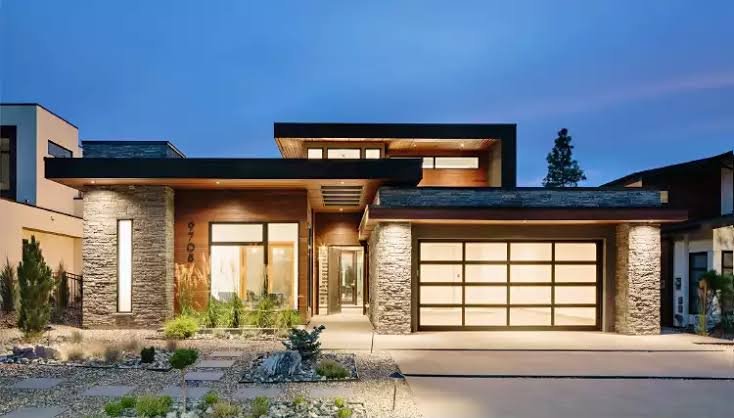
A simple two-bedroom concept could be organized as follows:
Front: Covered entrance and small porch
Center: Open kitchen, dining, and living area
Side: Primary bedroom with wardrobe
Rear: Second bedroom and bathroom
Utility area: Compact laundry and storage zone
Outdoor: Small deck or patio connected to the living area
This is only a conceptual arrangement. Actual dimensions, structural systems, setbacks, accessibility requirements, and building regulations need to be addressed by qualified professionals.
Common Mistakes to Avoid
When planning small modern autumn homeplans, avoid designing solely around appearance.
A beautiful home can still be inconvenient if storage, circulation, ventilation, or lighting have not been considered.
Common issues include:
- Too much furniture for the available space
- Insufficient storage
- Poor window placement
- Limited natural light
- Narrow circulation paths
- Oversized kitchens
- Unused outdoor areas
- Insufficient utility space
- Ignoring future needs
Planning these details early can prevent expensive changes later.
Frequently Asked Questions
What are small modern autumn homeplans?
Small modern autumn homeplans are compact house-design concepts that combine contemporary layouts with warm, comfortable features suited to autumn-inspired living.
Can a small house still feel spacious?
Yes. Efficient floor plans, natural light, appropriate furniture, open sightlines, and smart storage can make a compact house feel more comfortable and visually spacious.
What materials work well for an autumn-inspired modern home?
Wood, stone, brick, textured fabrics, neutral finishes, and warm accent materials can create a cozy appearance while maintaining a modern aesthetic.
Should a small autumn home have a fireplace?
A fireplace is optional. If you choose one, it should be designed and installed according to local regulations, ventilation requirements, and manufacturer instructions. Other heating systems or decorative focal points can provide alternatives.
How can I make a modern home feel cozy?
Use comfortable furniture, warm lighting, natural textures, rugs, curtains, cushions, wood elements, and seasonal accessories. These features can add warmth without changing the basic architecture.
Can autumn-inspired design work all year?
Yes. Keep the permanent architectural elements relatively neutral and use removable accessories for seasonal decoration. This allows the home to feel appropriate throughout the year.
Conclusion
Small modern autumn homeplans can combine efficient architecture, contemporary style, and seasonal comfort in a relatively compact footprint. The key is thoughtful planning rather than simply making the house smaller.
Focus on an efficient floor plan, useful storage, natural light, ventilation, comfortable living spaces, practical kitchen design, and a strong connection with the outdoors. Warm materials, flexible furniture, and seasonal accessories can then create the cozy atmosphere associated with autumn.
Whether you are planning a permanent residence, guest house, vacation retreat, or compact family home, start by considering how you actually want to live in the space. A successful design should support everyday activities while remaining adaptable to changing seasons and future needs.
Before construction, work with qualified local professionals who can address site conditions, structural requirements, building regulations, energy performance, and other technical considerations.
A small home does not have to feel limited. With careful planning, it can be comfortable, functional, modern, and welcoming throughout the year.