

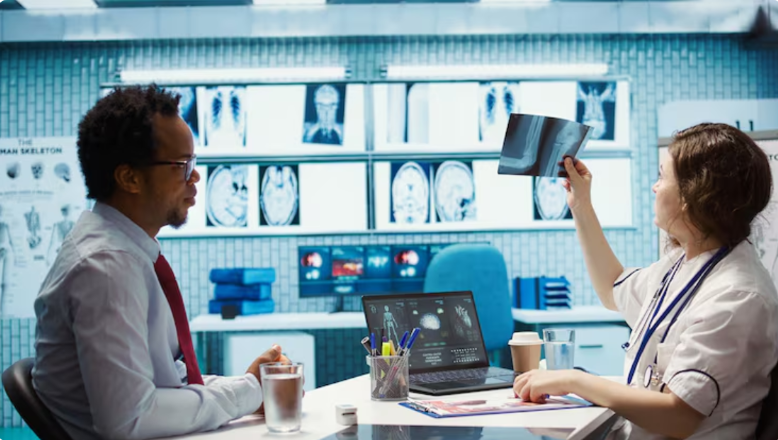
The healthcare industry continues to evolve through the development of innovative technologies that improve surgical precision, patient safety, and treatment outcomes. One of the most important advancements supporting modern medical procedures is the use of surgical imaging systems in hospitals and healthcare facilities worldwide.
These advanced technologies allow surgeons to view internal structures with greater clarity and accuracy during medical procedures. High-quality imaging plays a critical role in helping healthcare professionals perform complex surgeries more effectively while minimizing risks and improving patient recovery.
As healthcare providers continue to adopt minimally invasive and precision-based treatment methods, surgical imaging technology has become an essential part of modern operating rooms and advanced healthcare environments.
The Importance of Imaging in Modern Surgery
Accurate visualization is one of the most important factors in successful surgical procedures. Traditional surgical methods often relied heavily on the surgeon’s experience and limited imaging support. However, modern healthcare now demands highly detailed imaging capabilities that can improve precision and reduce complications.
Advanced imaging technologies provide real-time views of organs, tissues, and blood vessels during surgery. This allows surgeons to make more informed decisions and perform procedures with greater confidence.
Improved visualization also supports minimally invasive surgery techniques, which require precise navigation through small incisions. These procedures have become increasingly popular because they reduce pain, shorten recovery time, and improve overall patient experiences.
Advancements in Surgical Imaging Technology
Medical technology companies continue to develop more advanced imaging solutions that enhance surgical performance and healthcare efficiency. Today’s imaging systems offer high-definition visualization, 3D imaging capabilities, and real-time navigation tools that support complex procedures.
Many modern systems are designed to integrate with robotic-assisted surgery platforms and digital operating rooms. This integration allows healthcare professionals to access detailed imaging data instantly during procedures, improving surgical coordination and accuracy.
Artificial intelligence is also becoming an important part of imaging technology. AI-powered systems can assist with image analysis, identify abnormalities, and support surgical planning with greater speed and accuracy.
These innovations are helping healthcare providers improve clinical outcomes while reducing surgical risks and operational challenges.
Benefits for Patients and Healthcare Providers
Advanced imaging technology provides significant advantages for both patients and medical professionals. For patients, better imaging can lead to earlier diagnosis, more accurate treatment planning, and safer surgical procedures.
Minimally invasive surgeries supported by modern imaging systems often result in smaller incisions, less blood loss, and faster recovery times. Patients may also experience reduced hospital stays and lower risk of post-surgical complications.
Healthcare providers benefit from improved visualization and greater procedural confidence. High-quality imaging helps surgeons perform delicate operations more efficiently while reducing the likelihood of errors.
Hospitals also benefit from improved workflow efficiency and enhanced surgical capabilities, which can support better patient care and operational performance.
Growing Demand Across Global Healthcare Markets
The demand for advanced medical imaging technology continues to increase worldwide due to rising healthcare investments, aging populations, and growing rates of chronic diseases.
Hospitals are increasingly prioritizing technologies that improve surgical precision and patient safety. As healthcare systems modernize, advanced imaging equipment is becoming a key part of surgical departments and specialized treatment centers.
Emerging healthcare markets are also investing in modern medical infrastructure to improve access to advanced treatment options. This global expansion is creating strong growth opportunities for imaging technology manufacturers and healthcare providers.
The rise of outpatient surgery centers and minimally invasive procedures has further increased the need for reliable and efficient imaging solutions.
Integration with Digital Healthcare Systems
Digital transformation is reshaping the healthcare industry, and imaging technology is becoming more connected and intelligent. Modern operating rooms now use integrated digital systems that allow healthcare professionals to access imaging data, patient records, and surgical tools from a centralized platform.
Cloud-based healthcare solutions and data-sharing technologies are also improving collaboration between medical teams. Surgeons can review imaging results in real time, supporting faster decision-making and more accurate treatment planning.
Artificial intelligence and machine learning technologies are expected to continue improving imaging accuracy and workflow automation in the coming years.
Focus on Quality and Patient Safety
Patient safety remains a top priority in healthcare technology development. Surgical imaging equipment must meet strict international safety and quality standards before being approved for medical use.
Manufacturers invest heavily in research, testing, and innovation to ensure imaging systems deliver reliable performance during surgical procedures. Healthcare professionals also receive specialized training to operate advanced imaging equipment effectively and safely.
Continuous advancements in imaging resolution, software integration, and navigation technology are helping improve both surgical efficiency and patient outcomes.
The Future of Surgical Imaging
The future of healthcare imaging will continue to focus on precision, automation, and digital integration. Emerging technologies such as augmented reality, real-time AI analysis, and advanced 3D visualization are expected to further enhance surgical procedures.
Future imaging systems may provide even greater accuracy and allow surgeons to perform highly personalized treatments based on patient-specific data. Remote collaboration and virtual surgical guidance could also become more common as healthcare technology evolves.
These innovations will help healthcare providers deliver safer, faster, and more effective treatments for patients worldwide.
Conclusion
Advanced medical technology continues to transform modern healthcare by improving precision, efficiency, and patient care. Among the most valuable innovations supporting modern surgery are surgical imaging systems, which provide enhanced visualization and real-time guidance during complex medical procedures.
As hospitals continue adopting minimally invasive and technology-driven surgical approaches, the demand for advanced imaging solutions will continue to grow. With ongoing innovation and digital integration, surgical imaging technology will remain a critical part of the future of global healthcare.